Why Homemade Almond Paste Outshines Store-Bought Versions
Have you ever baked with store-bought almond paste only to find your dessert lacking that authentic, rich almond essence? Perhaps it tasted overly sweet, had a slight artificial tang, or just felt… flat? You are far from alone. Many home bakers, and even professionals, experience this disappointment, often leading them to believe almond paste is simply an adequate ingredient, not a star. However, the revelation of homemade almond paste transforms this perception entirely, offering a depth of flavor and a purity that pre-packaged tubes simply cannot match. Once you experience the superior taste, texture, and incredible ease of making it yourself, there’s truly no turning back to those store shelves.
This article delves into the compelling reasons why crafting your own almond paste at home is not just a preference, but a game-changer for your baking. We'll explore its fundamental components, demystify the simple process of
how to make almond paste, and arm you with the knowledge to create a perfectly balanced, naturally delicious, and remarkably versatile ingredient that will elevate all your almond-infused culinary creations.
The Undeniable Appeal of Homemade Almond Paste
The primary distinction between homemade and store-bought almond paste lies in quality control, freshness, and the absence of unwanted additives. When you make almond paste from scratch, you dictate every ingredient, ensuring a final product that boasts:
*
Unrivaled Freshness and Flavor: Store-bought versions can sit on shelves for extended periods, inevitably dulling their flavor. Homemade almond paste, made with freshly ground almonds, delivers an intense, pure almond taste that is vibrant and aromatic. It’s the difference between a freshly picked fruit and one that’s been canned.
*
Perfectly Balanced Sweetness: A common complaint about commercial almond paste is its excessive sweetness. This can overpower the delicate almond flavor and throw off the sugar balance in your recipes. With homemade, you have complete command over the sugar content, allowing you to create a paste that is subtly sweet, letting the natural nuttiness shine through.
*
Superior Texture and Pliability: A great almond paste should be soft, pliable, and slightly tacky – firm enough to hold its shape but never crumbly or overly sticky. Homemade versions achieve this ideal consistency, making them a joy to work with, whether you're rolling it into pastry or using it as a filling.
*
Purity and Natural Ingredients: Many commercial almond pastes contain artificial flavors, preservatives, or stabilizers to extend shelf life and mimic texture. Your homemade version, by contrast, is a wholesome blend of almonds, sugar, and egg white, free from anything artificial. It’s naturally gluten-free and pure almond goodness.
It's also crucial to distinguish almond paste from its sweeter cousin, marzipan. While both are made from almonds and sugar, almond paste contains significantly less sugar and has a coarser texture, making it ideal for baking applications where it melts into a rich, moist layer. Marzipan, with its higher sugar content and finer texture, is typically reserved for confectionery, molding, and decorative purposes. This makes homemade almond paste an indispensable tool for serious bakers.
What Exactly is Almond Paste? Deconstructing the Basics
At its core, almond paste is a deceptively simple blend, yet the magic truly lies in the quality and balance of its components. It's a thick, smooth, and wonderfully pliable mixture of:
*
Ground Almonds: This is the soul of your almond paste. For the best results, blanched almonds (without their skins) are preferred, as they contribute to a smoother texture and a cleaner, brighter almond flavor. Whether you start with whole blanched almonds and grind them yourself or use pre-made blanched almond flour, the goal is a very fine, sandy consistency. The fineness directly impacts the smoothness of your final paste.
*
Powdered Sugar (Confectioners' Sugar): This provides sweetness and contributes to the paste's smooth, uniform texture. Unlike granulated sugar, powdered sugar dissolves easily and prevents a grainy mouthfeel.
*
Egg White: Serving as the essential binding agent, egg white brings the dry ingredients together, giving the paste its characteristic pliable and moldable consistency. It also adds a touch of richness and helps with emulsification. For those concerned about raw egg consumption, pasteurized egg whites are a perfectly safe alternative.
*
Almond Extract: While the almonds themselves provide flavor, a touch of pure almond extract amplifies that nutty goodness, making the paste truly sing with almond essence.
*
Vanilla Extract (Optional but Recommended): A hint of vanilla can add a layer of warmth and complexity, complementing the almond flavor beautifully.
*
Salt (Optional but Recommended): A tiny pinch of salt acts as a flavor enhancer, balancing the sweetness and bringing out the natural nuttiness of the almonds.
The primary equipment you'll need is a good quality food processor fitted with a chopping blade. While it's possible to make almond paste by hand (with a lot of elbow grease and very finely ground almonds), a food processor streamlines the process, ensuring a consistent, smooth texture in minutes.
Mastering the Art of Making Homemade Almond Paste
Ready to unlock the secret to phenomenal almond-flavored desserts? Here’s a detailed guide on
how to make almond paste at home, transforming simple ingredients into a baker's dream.
Step 1: Preparing Your Almonds for Perfection
The journey to perfect almond paste begins with properly prepared almonds.
*
If starting with raw, unblanched almonds:
1. Bring a pot of water to a rolling boil.
2. Add your raw almonds and boil for just 1 minute. This loosens their skins.
3. Immediately drain the almonds and rinse them with cold water to stop the cooking process.
4. The skins will now slip off easily with a gentle squeeze. This can be a meditative task, or a quick one if you enlist help!
5. Once peeled, it's crucial to dry the almonds completely. Spread them in a single layer on a clean kitchen towel and air-dry for several hours, or dry them in a 200°F (95°C) oven for about 10-15 minutes, stirring occasionally, until no moisture remains. *Any residual moisture can lead to a sticky, gummy paste.*
*
If starting with pre-blanched almonds or almond flour: You can skip the blanching and peeling steps. If using whole blanched almonds, proceed directly to grinding.
Once dry (whether blanched and dried, or pre-blanched), place your almonds in a food processor fitted with a metal blade. Pulse them repeatedly until they form a very fine, sandy texture – essentially, homemade almond flour. Be careful not to over-process at this stage, or you risk turning them into almond butter. The goal is fine and crumbly, not oily and pasty.
Step 2: The Dry Ingredient Fusion
With your finely ground almonds (or almond flour) in the food processor, add the powdered sugar and a pinch of salt. Pulse a few times to thoroughly combine these dry ingredients, ensuring there are no clumps of sugar. This initial blend creates a uniform base before adding any liquid. Again, avoid continuous blending; quick pulses are key to maintaining a dry, crumbly mixture.
Step 3: Bringing it All Together with Liquid Binders
Now for the transformation! With the food processor motor running on low, slowly drizzle in the egg white (you might not need all of it), along with the almond extract and vanilla extract. Allow the processor to run for 2-3 minutes, stopping occasionally to scrape down the sides of the bowl.
During this process, you’ll witness the magic. The mixture will gradually transform from a crumbly meal into a thick, cohesive mass. It should gather on the blade or sides of the bowl, forming a slightly oily, pliable paste. The "slow drizzle" of egg white is important; it allows you to control the consistency and ensures the paste doesn't become too wet too quickly.
Step 4: Final Touches and Resting
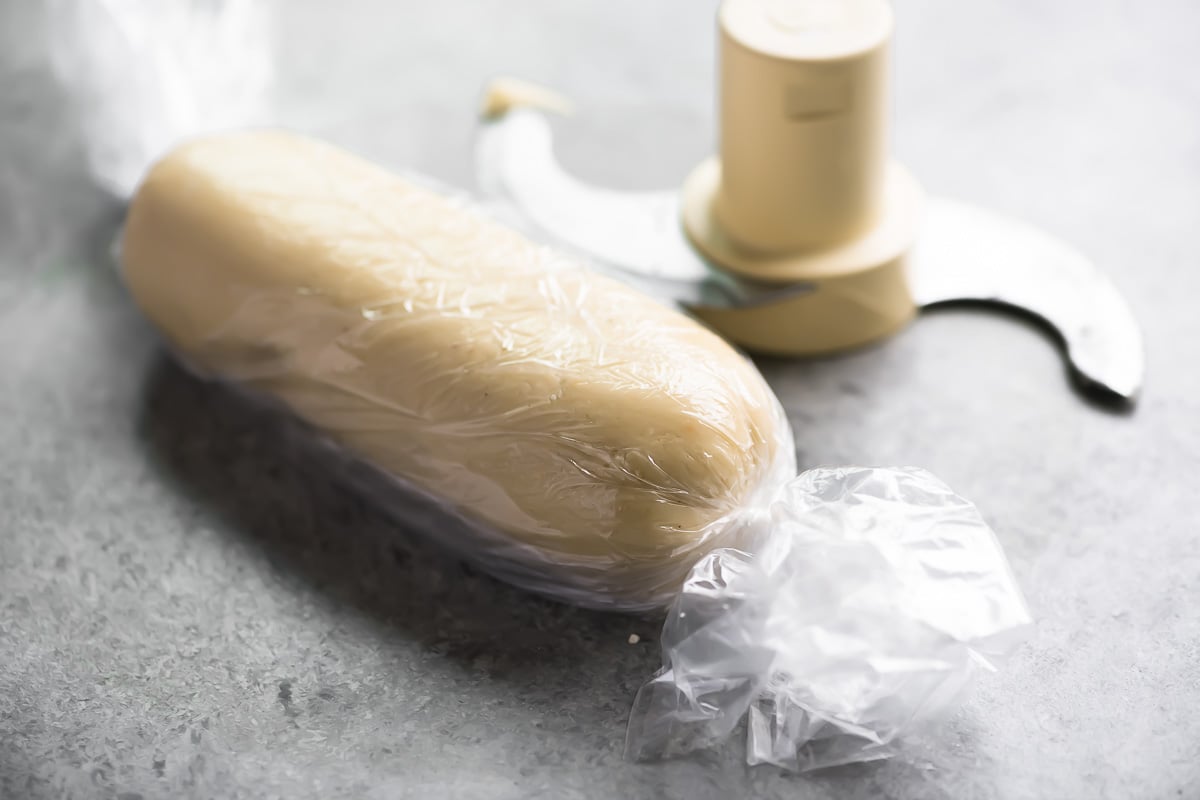
Once the paste has formed, remove it from the food processor. If it’s a little loose, a brief knead on a clean surface can help bring it together into a smooth ball. The perfect almond paste should be soft, pliable, and slightly tacky to the touch – firm enough to slice, but not crumbly, and never overly sticky.
*
Adjusting Texture: If your paste feels too dry and crumbly, add a tiny bit more egg white (a quarter teaspoon at a time) and pulse again. If it's too wet or sticky, add a tablespoon of additional powdered sugar or almond flour and process until the desired consistency is achieved.
Wrap the finished almond paste tightly in plastic wrap, ensuring no air can reach it, and refrigerate it for at least a few hours, or preferably overnight, before using. This resting period allows the flavors to meld and the paste to firm up slightly, making it even easier to work with.
Beyond the Basics: Tips for Success and Creative Uses
Crafting homemade almond paste opens up a world of possibilities in your kitchen. Here are some additional tips to ensure your success and inspire your culinary adventures:
*
Troubleshooting Common Issues:
*
Too Oily: This often means you over-processed the almonds in the initial grinding stage, releasing too much of their natural oils. It's still usable, but may be slightly softer. A bit more powdered sugar can help absorb some oil.
*
Too Dry/Crumbly: As mentioned, add a few drops more egg white.
*
Too Sticky: Add more powdered sugar or finely ground blanched almonds, a tablespoon at a time, until it reaches the right consistency.
*
Customization for Unique Flavors: Feel free to experiment with other extracts! Rosewater or orange blossom water can add an exquisite floral note, particularly wonderful in Middle Eastern or Mediterranean-inspired desserts. A hint of lemon or orange zest can also brighten the flavor.
*
Storage for Longevity: Properly wrapped, homemade almond paste will keep beautifully in the refrigerator for up to 2-3 weeks. For longer storage, it freezes exceptionally well. Simply wrap it tightly in plastic wrap, then place it in an airtight freezer bag for up to 3-4 months. Thaw in the refrigerator before use.
*
Inspiring Culinary Uses: The versatility of homemade almond paste is truly astounding.
*
Baking: Use it as a filling for croissants, pastries, and tarts. It’s the star ingredient in classic treats like Bear Claws, Frangipane tarts, and Danish pastries.
*
Cakes: It adds incredible moisture and flavor to cakes, like the British Battenberg cake, or simply layered into sponge cakes.
*
Cookies: Essential for Amaretti cookies, almond crescents, and other almond-based biscuits.
*
Beyond: Consider incorporating small pieces into muffins or quick breads for bursts of almond flavor and tender texture.
For even more in-depth guidance on crafting the perfect batch, our article
Easy Homemade Almond Paste: Your Guide to Perfect Flavor offers excellent insights. If you're looking for a detailed breakdown of the economical and versatile benefits, check out
Make Almond Paste at Home: Economical, Fresh & Versatile.
Conclusion
The journey to making homemade almond paste is a rewarding one, unlocking a level of flavor and quality that is simply unattainable with store-bought alternatives. From the vibrant, pure almond taste to the perfectly pliable texture and the ability to control every ingredient, the benefits are clear. It transforms a humble list of ingredients into a versatile, gourmet staple that will undoubtedly elevate your baking. So, next time your recipe calls for almond paste, skip the supermarket aisle and embark on this simple, satisfying culinary adventure. Your taste buds, and your baked goods, will thank you.