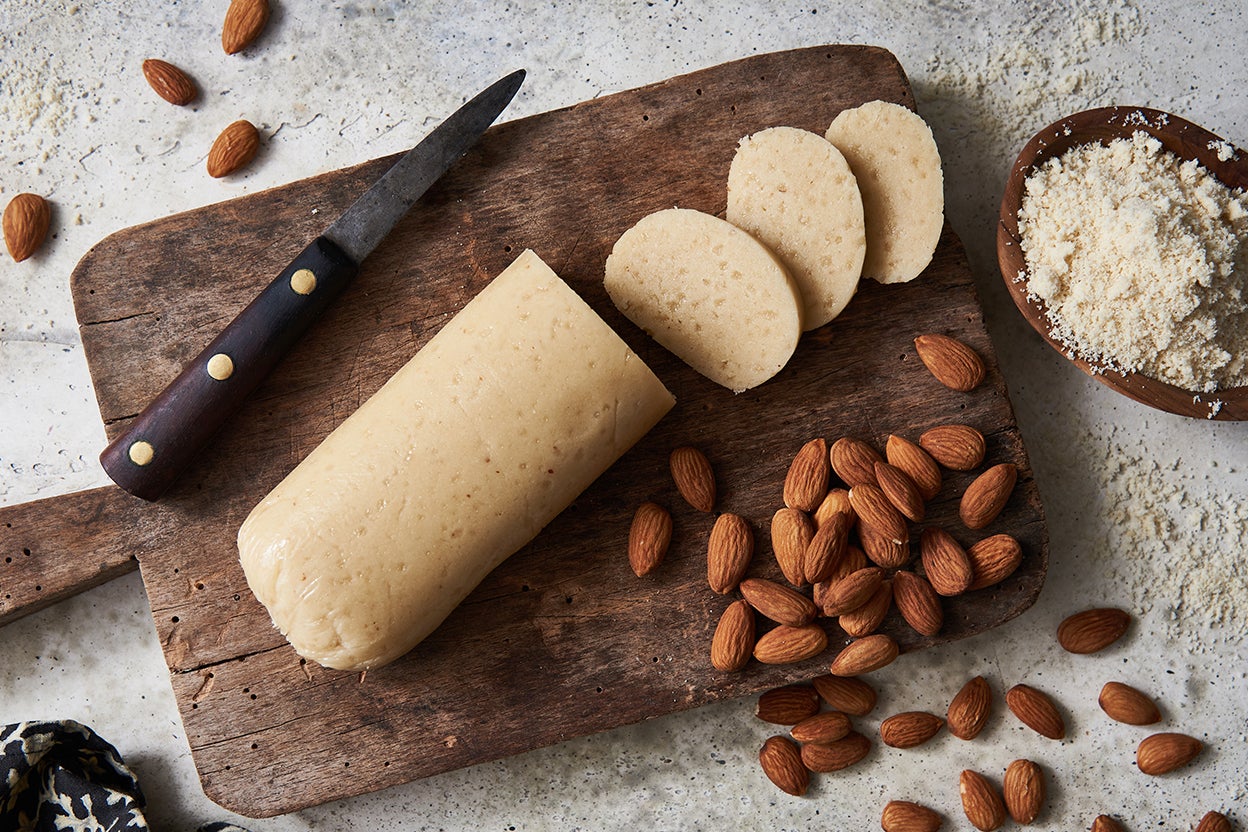
Make Almond Paste at Home: Economical, Fresh & Versatile
Have you ever opened a tube of store-bought almond paste only to be met with a flavor that's either overwhelmingly sweet, oddly artificial, or just… *off*? You're not alone. Many passionate home bakers discover that the quality of commercially produced almond paste often falls short of expectations, lacking the pure, nutty essence and balanced sweetness they desire. But what if we told you there's a simple, incredibly rewarding solution? Learning how to make almond paste at home is a game-changer that promises superior flavor, perfect texture, and surprising economy. Once you experience the delightful difference of homemade, you'll never look back. This comprehensive guide will walk you through everything you need to create your own perfectly balanced, naturally gluten-free almond paste that tastes like pure almond heaven and comes together in minutes.Why Homemade Almond Paste is a Game-Changer for Your Baking
The appeal of homemade almond paste extends far beyond mere cost savings. It offers a level of quality and control that store-bought versions simply cannot match. Here’s why mastering how to make almond paste at home will elevate your baking:- Unrivaled Freshness and Flavor: Store-bought pastes can sit on shelves for months. Making your own ensures you use the freshest ingredients, resulting in a vibrant, intense almond flavor without any artificial undertones. You'll taste the pure essence of almonds, unmasked by excessive sugar or preservatives. This superior taste is one of the key reasons Why Homemade Almond Paste Outshines Store-Bought Versions.
- Control Over Sweetness and Texture: Tired of overly sweet pastries? When you make almond paste from scratch, you dictate the sugar content. This allows you to create a paste that's less sweet than marzipan (often confused with almond paste) and perfectly suited for baking, where it contributes rich flavor, moisture, and texture rather than just sweetness. You can also adjust the consistency to be as coarse or as fine as your recipe requires.
- Economical Choice: High-quality store-bought almond paste can be surprisingly expensive. By purchasing blanched almonds and a few other pantry staples, you can produce a significant amount of homemade paste for a fraction of the cost, making your gourmet baking more budget-friendly.
- Versatility in the Kitchen: Homemade almond paste is incredibly versatile. It's ideal for filling croissants, bear claws, and coffee cakes; adding moisture and flavor to cakes and cookies; or creating delicious tarts and frangipane. Its pliable consistency makes it easy to work with for a variety of applications.
- Natural and Gluten-Free: With full control over ingredients, you can ensure your almond paste is free from unwanted additives and naturally gluten-free, catering to dietary preferences and restrictions without compromise.
Gathering Your Ingredients and Essential Equipment
Before diving into the process of how to make almond paste, let's ensure you have everything you need. The beauty of this recipe lies in its simplicity and reliance on just a few core ingredients.The Core Ingredients
- Blanched Almonds or Almond Flour: This is the foundation of your paste. For the best results, use blanched almonds (almonds with their skins removed). You can either buy pre-blanched whole almonds or almond flour (finely ground blanched almonds) or blanch raw almonds yourself (we'll cover how below). The blanched nuts provide that classic light color and smooth texture.
- Powdered Sugar (Confectioners' Sugar): Crucial for both sweetness and achieving that silky-smooth consistency. Granulated sugar would result in a gritty texture.
- Egg White: Acts as the binding agent, bringing all the ingredients together into a cohesive, pliable paste. For added safety, especially if serving to vulnerable populations or if you prefer, use pasteurized egg whites available in cartons. You'll likely need only a small amount.
- Flavor Enhancers:
- Almond Extract: While the almonds themselves contribute flavor, a dash of almond extract intensifies that signature nutty aroma and taste.
- Vanilla Extract: A touch of vanilla adds warmth and depth, complementing the almond flavor beautifully.
- Salt (Optional but Recommended): A tiny pinch of salt (fine sea salt works wonderfully) helps to balance the sweetness and brightens all the flavors.
Essential Tools for Success
While some methods suggest making almond paste by hand, a food processor is undoubtedly the most efficient and recommended tool for achieving the desired smooth and uniform consistency.
- Food Processor: Fitted with a chopping blade, this is your primary tool. It grinds the almonds finely and blends all the ingredients effortlessly.
- Mixing Bowls: Useful for separating ingredients and for the blanching process if you're starting with raw almonds.
- Spatula: For scraping down the sides of the food processor bowl and transferring the paste.
- Plastic Wrap or Airtight Container: Essential for storing your finished almond paste.
Step-by-Step Guide: How to Make Almond Paste from Scratch
Now for the exciting part! Follow these clear steps to create your own delightful homemade almond paste.Preparing Your Almonds (If Starting with Raw)
If you've purchased blanched almonds or almond flour, you can skip this section. However, if you're starting with raw, whole almonds, blanching and peeling them is the first crucial step.
- Blanch: Bring a small pot of water to a rolling boil. Add your raw almonds and boil for exactly 1 minute. This loosens their skins.
- Drain and Rinse: Immediately drain the almonds in a colander and rinse them thoroughly with cold water. This stops the cooking process and makes them easier to handle.
- Peel: Once cooled slightly, pinch each almond between your thumb and forefinger. The skins should slip off easily. It's a bit meditative, and satisfying!
- Dry Thoroughly: This step is absolutely critical. Spread the peeled almonds on a clean kitchen towel and let them air dry completely for several hours (or even overnight). Alternatively, you can dry them in a 200°F (95°C) oven for about 10-15 minutes, stirring occasionally, until they are perfectly dry to the touch. Any residual moisture can make your paste too soft or oily.
- Grind to Flour: Once completely dry, transfer the blanched almonds to your food processor. Pulse them repeatedly until you achieve a fine, sandy texture – essentially, homemade almond flour. Be careful not to over-process at this stage, or you risk turning them into almond butter!
Blending the Paste in a Food Processor
This is where your almond paste truly comes to life. Whether you started with blanched almonds, almond flour, or freshly ground blanched almonds, the process is the same from here.
- Combine Dry Ingredients: In the food processor fitted with the chopping blade, add your finely ground blanched almonds (or almond flour), powdered sugar, and a pinch of salt. Pulse a few times to combine thoroughly and break up any sugar clumps.
- Add Wet Ingredients: With the motor running on low speed, slowly drizzle in about half of the egg white, along with the vanilla extract and almond extract.
- Process and Scrape: Continue to process, scraping down the sides of the bowl as needed, for 2-3 minutes. The mixture will gradually come together into a thick, slightly oily, pliable paste. As you process, observe the consistency. It should be soft enough to mold but not sticky or runny. If it seems too dry or crumbly, add the remaining egg white a tiny bit at a time, processing after each addition, until the desired consistency is reached. You may not need all the egg white provided in a typical recipe.
- Final Knead (Optional): Once the paste has formed, you can turn it out onto a clean surface and knead it gently by hand for a minute or two. This ensures an even consistency and helps you gauge its pliability.
Resting and Storing Your Homemade Almond Paste
Once your almond paste is made, a brief rest is beneficial.
- Chill: Form the paste into a log or disk, wrap it tightly in plastic wrap (ensuring no air pockets), and refrigerate for at least a few hours, or preferably overnight. This allows the flavors to meld and the paste to firm up slightly, making it easier to handle and slice.
- Store: Properly wrapped, homemade almond paste can be stored in the refrigerator for up to 2-3 weeks. For longer storage, it freezes beautifully for several months. Thaw in the refrigerator before use.
Troubleshooting and Expert Tips for Perfect Almond Paste
Even with a straightforward recipe, a few tips can ensure your homemade almond paste turns out perfectly every time.Adjusting Consistency:
- If the paste feels too dry or crumbly: Add a few more drops of egg white (or a tiny splash of water if you've used all the egg white) and pulse again in the food processor until it comes together.
- If the paste feels too wet or sticky: Add a teaspoon of extra powdered sugar or finely ground blanched almonds and process again until it firms up. The perfect almond paste should be soft, pliable, and slightly tacky, firm enough to slice, but not crumbly.
Preventing Common Pitfalls:
- Don't over-process the dry almonds: If you grind blanched almonds for too long *before* adding the wet ingredients, their oils will start to release, and you'll end up with almond butter instead of fine flour. Pulse in short bursts.
- Ensure almonds are completely dry: As mentioned, moisture is the enemy. Damp almonds will lead to a clumpy, oily, or too-soft paste.
- Use fresh, quality ingredients: The flavor of your paste directly reflects the quality of your almonds. Invest in good blanched almonds for the best results.
Versatile Uses for Your Homemade Creation:
Once you've mastered how to make almond paste, a world of delicious baking opens up. Your homemade paste is perfect for:
- Pastry Fillings: Spread it into croissants, Danish pastries, or puff pastry before baking for a rich, moist center.
- Cookies: Incorporate it into cookie dough or use it as a filling for classic almond paste cookies.
- Cakes: Layer it into cakes, or blend it into batters for almond-flavored cakes and muffins. Frangipane, a classic almond cream often used in tarts, is essentially a glorified almond paste!
- Tarts: Use it as a base for fruit tarts or as a filling on its own.
For more detailed recipes and ways to incorporate your fresh almond paste, check out our guide on Easy Homemade Almond Paste: Your Guide to Perfect Flavor.
